
Loading city information...
Join our Facebook Group: Join: Expats in Poland
Loading city information...
Discover the best things to do in Katowice, Poland's modern industrial city. From Spodek Arena to cultural centers, explore transformation and innovation.
Katowice, the capital of the Silesian Voivodeship, has undergone a remarkable transformation from a traditional mining and industrial city to a modern cultural and business hub. This dynamic city showcases Poland's industrial heritage while embracing contemporary architecture, technology, and culture. With its impressive modern buildings, vibrant cultural scene, and excellent shopping and dining options, Katowice offers visitors a unique perspective on Poland's economic evolution and urban development.
Whether you're interested in history, culture, architecture, or simply experiencing authentic Polish life, Katowice offers something for every type of traveler. The city's unique atmosphere, combined with its rich heritage and modern amenities, makes it an ideal destination for both short visits and extended stays.
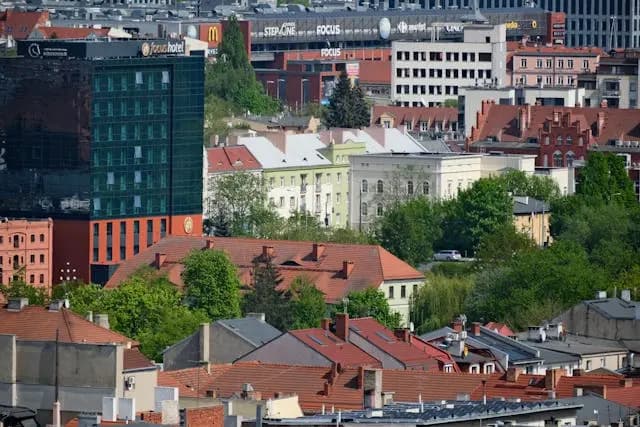
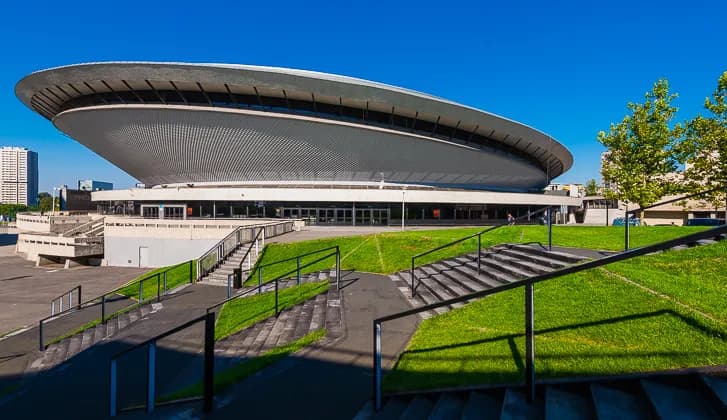
This iconic flying saucer-shaped arena is Katowice's most recognizable landmark and one of Poland's most impressive modern architectural achievements. The arena hosts major concerts, sporting events, and cultural performances throughout the year, making it a hub of entertainment and culture. The building's unique design and engineering marvels make it worth visiting even when no events are scheduled. The surrounding area has been developed into a modern entertainment district with restaurants, bars, and cultural venues.
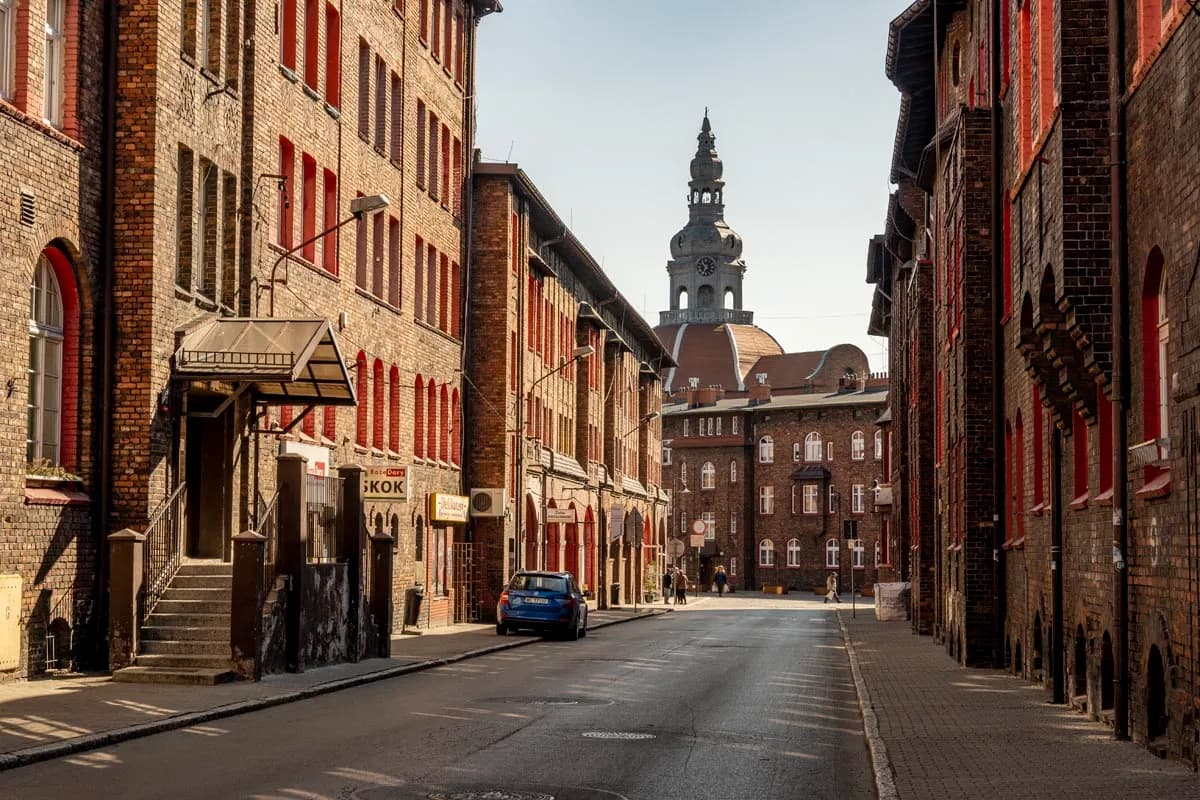
This historic mining settlement, built in the early 20th century, offers a fascinating glimpse into Katowice's industrial past and the lives of mining families. The distinctive red-brick buildings with their unique architectural style create a charming atmosphere that contrasts with the city's modern developments. Walking through Nikiszowiec's streets feels like stepping back in time, with traditional shops, cafes, and a strong sense of community that has preserved the area's authentic character.
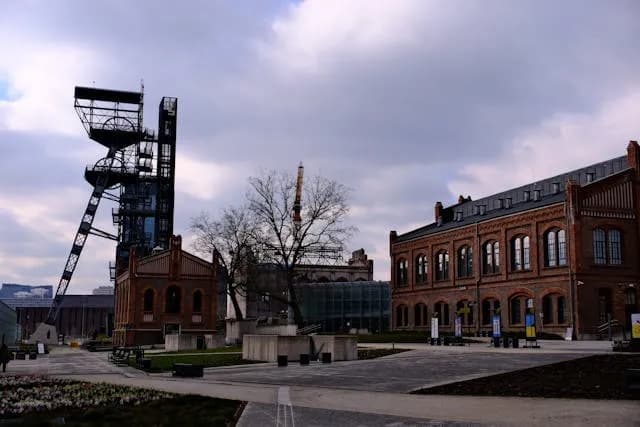
This modern museum, housed in a beautifully renovated former coal mine, showcases the rich history and culture of the Silesian region. The museum's innovative exhibitions combine traditional artifacts with modern multimedia technology to tell the story of Silesia's industrial heritage, cultural diversity, and artistic achievements. The building itself is an architectural masterpiece that successfully integrates industrial heritage with contemporary design, creating a unique cultural experience.
Discover and book guided tours, skip-the-line tickets, and unique experiences in Katowice.
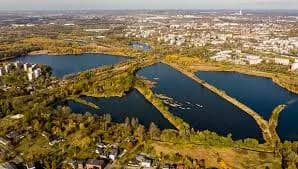
This beautiful park and recreational area offers visitors a peaceful escape from the urban environment with three interconnected ponds, walking paths, and extensive green spaces. The area is perfect for outdoor activities including walking, cycling, and picnicking, while the ponds provide opportunities for fishing and bird watching. During summer, the park comes alive with outdoor cafes and recreational activities, making it a popular destination for families and nature lovers.
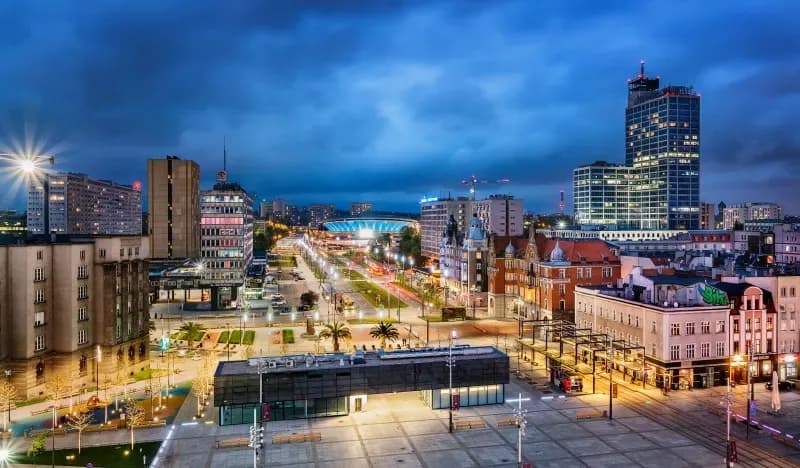
Katowice's modern Market Square, though not as historic as other Polish cities, offers a vibrant urban experience with contemporary architecture, shopping centers, and excellent dining options. The square is surrounded by modern buildings including the impressive Silesian Library and various commercial establishments. The area comes alive with street performers, outdoor events, and a lively atmosphere that reflects the city's modern, dynamic character.
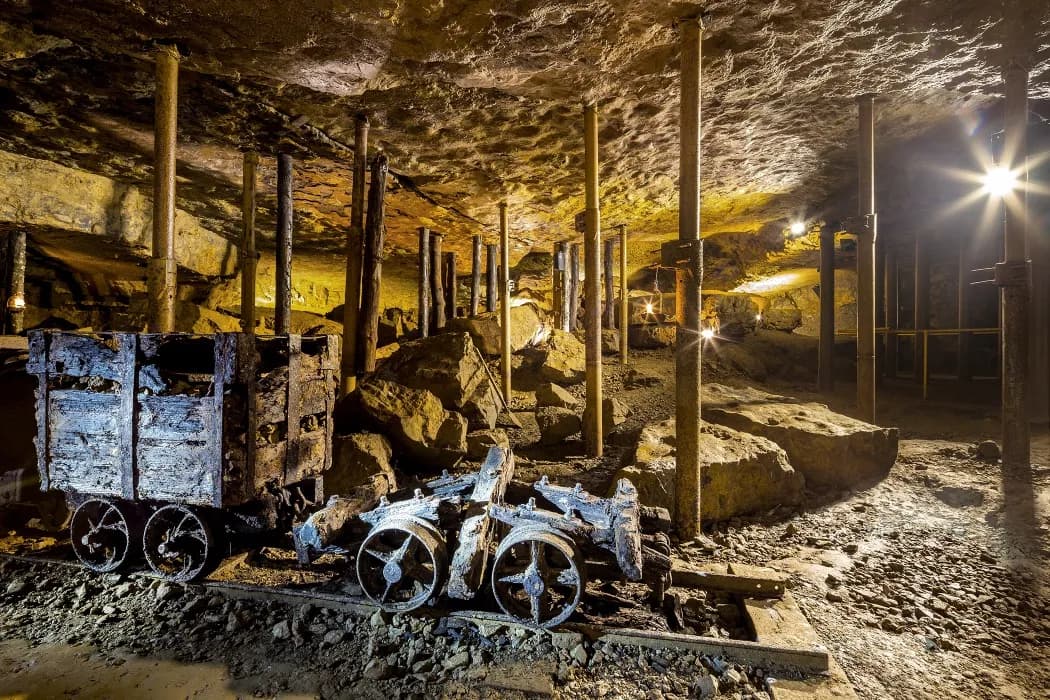
This UNESCO World Heritage Site, located about 35-40 km (22-25 miles) from Katowice, offers a fascinating journey into Poland's mining history. The historic silver mine features exhibitions of steam engines, narrow-gauge railway rides, and guided tours through underground tunnels that showcase the region's rich industrial heritage. This unique destination provides visitors with an authentic experience of traditional mining techniques and the opportunity to explore the underground world that shaped the Silesian region's development.
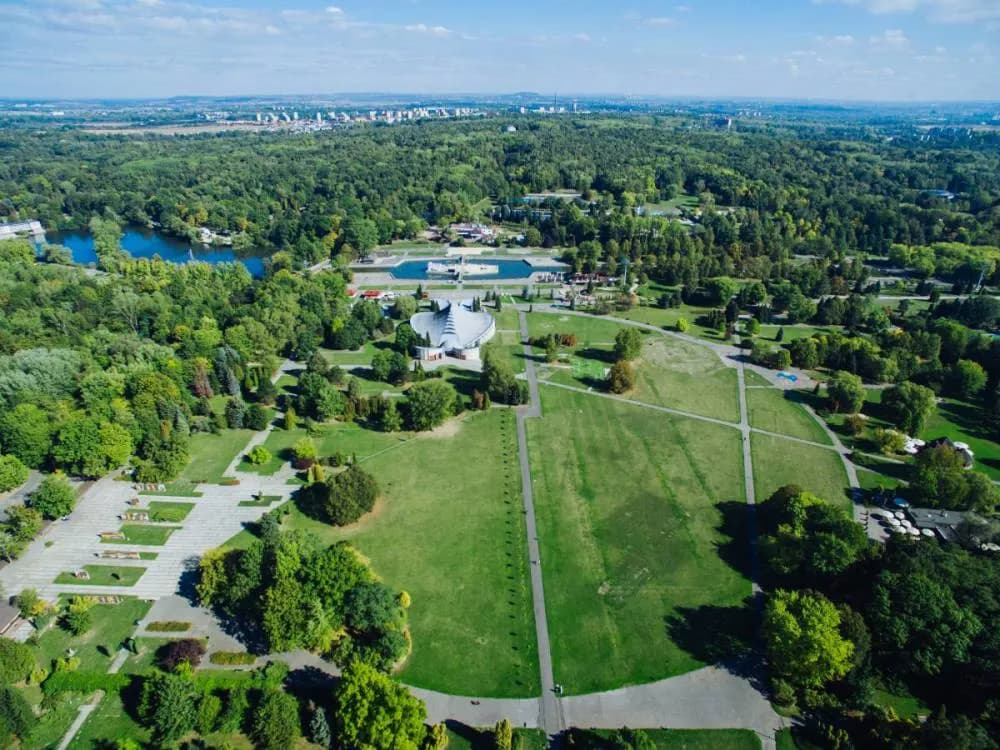
One of Europe's largest urban parks, Silesian Park offers extensive recreational facilities including an amusement park, planetarium, and numerous walking and cycling paths. The park's diverse attractions make it perfect for families with children, while the extensive green spaces provide opportunities for relaxation and outdoor activities. The park also hosts various cultural events and festivals throughout the year, making it a year-round destination for entertainment and recreation.
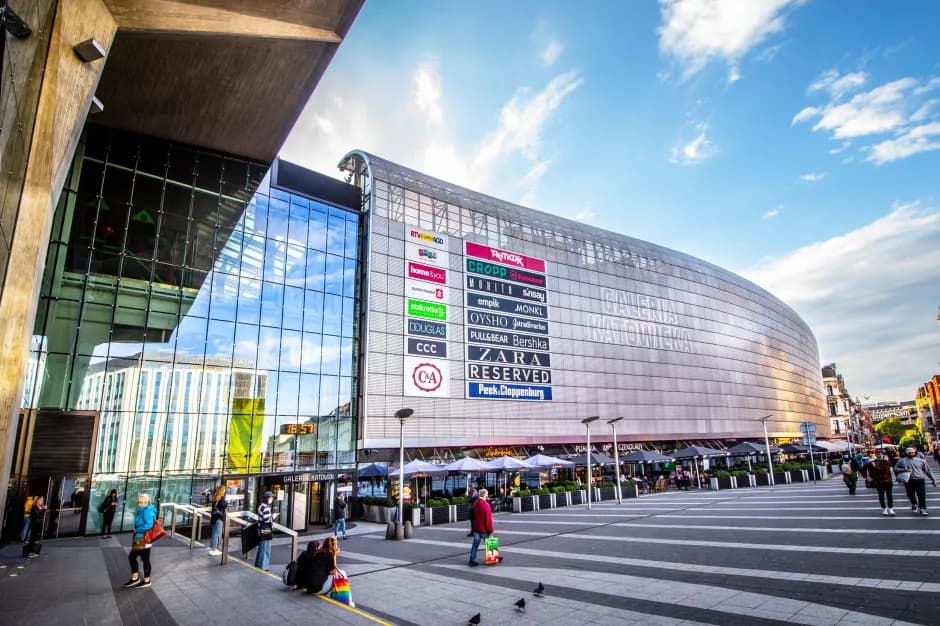
This modern shopping center, located in the heart of the city, offers an excellent shopping experience with international and Polish brands, restaurants, and entertainment options. The center's contemporary design and extensive facilities make it a popular destination for both locals and visitors. The shopping center also hosts regular events and exhibitions, making it more than just a retail destination but also a cultural and social hub in the city center.
Click on a numbered marker to see the attraction name. Numbers correspond to the attraction order below.
Start with a trip to Nikiszowiec, the incredible workers' housing estate from the early 1900s. This brick-built district feels like an open-air museum - wander the courtyards, visit the church, and stop at the Wilson Shaft gallery. Take a bus back to the center and see the modernist Spodek arena up close.
Visit the Silesian Museum, built inside a former coal mine - the exhibits go underground into the old mining shafts. Then walk through the Culture Zone around NOSPR (the concert hall with world-class acoustics) and the International Congress Centre. This area showcases how Katowice reinvented itself from a coal town into a cultural hub.
Mariacka Street is Katowice's main going-out district. Try traditional Silesian food - rolada (beef roulade) with kluski slaskie (Silesian dumplings) and modra kapusta (red cabbage) at one of the local restaurants. The street has a great mix of pubs, cocktail bars, and live music venues.
Katowice's dining scene reflects its industrial heritage and modern revival. Try traditional Silesian cuisine - rolada (beef roulade), kluski slaskie (Silesian dumplings), and modra kapusta (red cabbage). The Mariacka Street area has become a lively restaurant and bar district.
Prices are approximate and may vary by location. For full cost breakdown, see our cost of living calculator.
Walking through Nikiszowiec is completely free and genuinely one of the most unique experiences in Poland. This perfectly preserved workers' estate feels like stepping into the early 1900s - the brick courtyards, communal spaces, and church create an atmosphere you will not find elsewhere.
Kosciuszko Park (Park Kosciuszki) in the center is a lovely green space for a walk. The Valley of Three Ponds (Dolina Trzech Stawow) south of the center is a large park with lakes, paths, and woodland. The huge Silesian Park (Park Slaski) in neighboring Chorzow, one of the largest urban parks in Europe, is free to enter and has a zoo, planetarium, and extensive walking trails.
Katowice is a great base for exploring the surrounding region. These destinations are all reachable in a day and offer diverse experiences - from historical sites to natural wonders.
Most day trips can be done by train or bus. Check our travel guide for detailed transportation info, or book an organized tour above for a hassle-free experience.
Choosing the right area can make or break your trip. Here's a quick guide to Katowice's neighborhoods to help you pick the best base for your visit.
| Neighborhood | Price Level | Why Stay Here |
|---|---|---|
| Śródmieście (City Center) | High | Modern business district with cultural venues, higher rents. |
| Nikiszowiec | Low | Historic mining district, unique architecture, affordable. |
| Bogucice | Medium | Residential area with good amenities, moderate prices. |
| Brynów | Low | Quiet residential area, family-friendly, affordable. |
| Giszowiec | Medium | Garden city district, unique urban planning, moderate costs. |
Hotel prices correlate with neighborhood rent levels. For longer stays, consider renting an apartment for better value. Planning to relocate? See our full Katowice living guide.
Katowice sits at the heart of the Upper Silesian conurbation - one of Europe's largest urban areas. The ZTM transport authority runs buses and trams connecting Katowice with neighboring cities like Chorzow, Sosnowiec, and Gliwice, all on one ticket system. A single ticket costs 5 PLN (60 min). Katowice-Pyrzowice Airport (KTW) is 34 km north of the city, connected by bus AP (about 50 min to the train station). Within the center, everything is walkable. The train station is modern and well-connected to Krakow (1.5 hours) and Warsaw (2.5 hours by Pendolino).
Single: 4.00 PLN, Day pass: 14 PLN
Monthly pass
5+
Transport types
1
Airport
Katowice's Spodek arena (meaning 'saucer') looks like a UFO landed in the city center. Built in 1971, its unique hyperbolic paraboloid roof was an engineering marvel of its time.
The Upper Silesian region around Katowice has its own distinct language (Silesian), culture, and identity that's different from the rest of Poland.
Nikiszowiec, a district of Katowice, is a remarkably well-preserved workers' housing estate from 1908-1918 that looks like it's frozen in time. It's been featured in multiple films.
Katowice was named a UNESCO Creative City of Music in 2015, home to the renowned NOSPR concert hall designed by Konior Studio with world-class acoustics.
The region has more than 1,000 underground mining tunnels. Some former mines have been converted into museums, concert venues, and even climbing walls.
Katowice's main train station was completely rebuilt in 2012 and is now considered one of the most modern and beautiful stations in Central Europe.
Katowice's souvenirs reflect its coal mining heritage. You will find polished coal crystals, "black diamonds," and coal-themed design objects in souvenir shops around the center. The Silesian Museum shop has particularly good design items inspired by the region's industrial history.
For food, try to find sliwowica (plum brandy) from the region, and pick up Silesian gingerbread or local honey. The Mariacka Street area has a few shops with local crafts and design. Katowice is also a good place to buy Polish music - given its UNESCO Creative City of Music status, local record shops often stock interesting Polish jazz, classical, and electronic music releases.
Katowice has Katowice-Pyrzowice Airport (KTW) with connections to major European cities. You can also reach Katowice by train via PKP Intercity, with direct connections from Warsaw, Krakow, and other major cities. FlixBus and other bus operators provide affordable connections from major cities. The city is also well-connected by car via Poland's modern highway network.
Katowice can be enjoyed year-round, with each season offering something different. Spring (March to May) brings mild weather, fewer crowds, and blooming gardens. Summer (June to August) is the peak season with warm weather, outdoor events, and festivals. Autumn (September to November) offers beautiful fall colors, cultural events, and comfortable temperatures. Winter (December to February) is perfect for Christmas markets, cozy cafes, and a quieter atmosphere with fewer tourists.
Planning your budget for Katowice depends on your travel style. Budget travelers can expect to spend around 150-250 PLN (roughly 35-60 EUR) per day, covering basic accommodation in hostels or budget hotels, local meals at milk bars, and public transportation. Mid-range travelers should budget 300-500 PLN (70-120 EUR) per day for comfortable hotels, restaurant meals, and entrance fees to attractions. For luxury experiences with premium accommodations and fine dining, expect to spend 800+ PLN (180+ EUR) per day.
Accommodation in Katowice typically ranges from 100-400 PLN (25-90 EUR) per night depending on the type and location. Food and drinks will cost approximately 80-150 PLN (20-35 EUR) per day, with options ranging from budget-friendly local eateries to sit-down restaurants. Public transportation within the city is affordable at 15-30 PLN (4-7 EUR) per day. Attractions and activities generally cost 50-100 PLN (12-25 EUR) per day, though many parks, churches, and historic sites can be explored for free.
Polish culture places a strong emphasis on politeness and hospitality. When greeting people, a firm handshake is standard, and you should use "Dzien dobry" (Good day) when meeting someone and "Do widzenia" (Goodbye) when leaving. At restaurants, it is customary to wait for everyone to be served before eating, and saying "Smacznego" (Enjoy your meal) is a nice touch that locals appreciate.
Katowice has a lively cultural scene with festivals, markets, and performances throughout the year. Visiting a local market is one of the best ways to experience authentic Polish daily life - you will find fresh produce, regional specialties, and handcrafted goods. Classical concerts, folk performances, and art exhibitions are regularly held in venues across the city.
When visiting churches and religious sites, remember to dress modestly and remove your hat. Poles are generally respectful of personal space but warm once you get to know them. Learning even a few basic Polish phrases will go a long way - locals genuinely appreciate the effort, even if your pronunciation is not perfect.
Staying connected in Katowice is easy. Free WiFi is available in most hotels, cafes, restaurants, and many public spaces. Poland has excellent 4G and 5G mobile coverage throughout the country, so you should have no trouble using data on the go. If you are visiting from outside the EU, consider getting an eSIM from providers like Airalo, Holafly, or Nomad for seamless internet access - you can learn more in our eSIM guide for Poland. Prepaid SIM cards are also available at airports, kiosks, and mobile shops if you prefer a physical card.
The official language is Polish, but English is widely spoken in tourist areas, hotels, and restaurants, especially by younger people. A few useful phrases to know: "Dzien dobry" (Good day), "Dziekuje" (Thank you), and "Czy mowisz po angielsku?" (Do you speak English?). Google Translate works well for Polish - downloading the offline language pack before your trip is a good idea. For emergencies, dial 112 for general assistance, 997 for police, 998 for fire, or 999 for an ambulance.
Many visitors fall in love with Katowice and decide to make it their home. If you're considering the move, here are the essential resources to get you started.
Cost of living, neighborhoods, job market, and expat community guide for Katowice.
Step-by-step guide to renting in Poland - where to search, what to expect, and how to avoid scams.
Compare Polish banks, required documents, and how to open an account as a foreigner.
Discover and book the best attractions, guided tours, and experiences in Katowice with our trusted travel partner.
With its rich history, stunning architecture, and vibrant culture, Katowice offers an unforgettable Polish experience. Get ready for your journey with essential travel tools and guides.
Discover more amazing destinations across Poland. Each city offers unique experiences, rich history, and unforgettable attractions.
Old Town (Stare Miasto) · Royal Castle (Zamek Królewski) · Łazienki Park (Park Łazienkowski)
Wawel Castle · Main Market Square (Rynek Główny) · Jewish Quarter (Kazimierz)
Market Square (Rynek) · Cathedral Island (Ostrów Tumski) · Centennial Hall (Hala Stulecia)
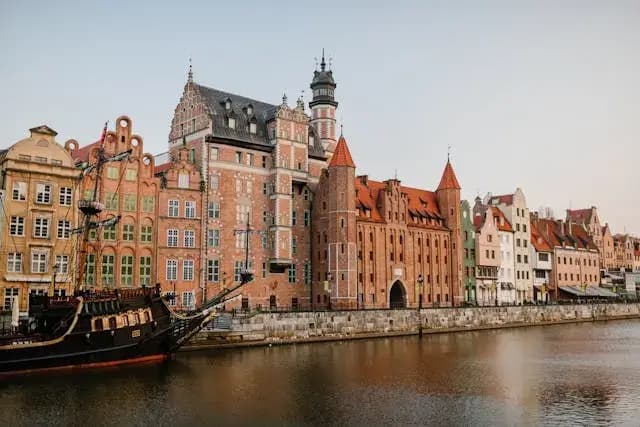
Long Market (Długi Targ) · Neptune Fountain (Fontanna Neptuna) · Westerplatte
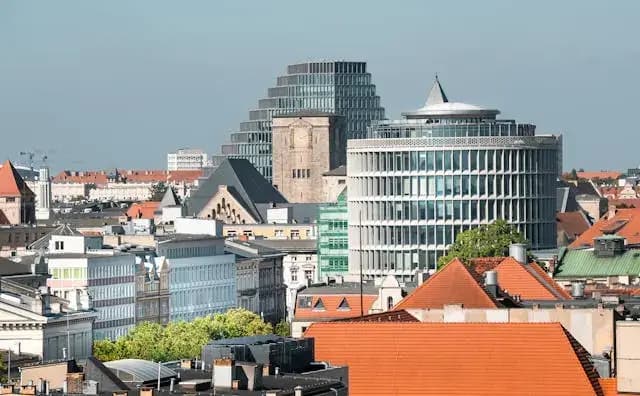
Old Market Square (Stary Rynek) · Poznan Cathedral (Katedra Poznańska) · Imperial Castle (Zamek Cesarski)
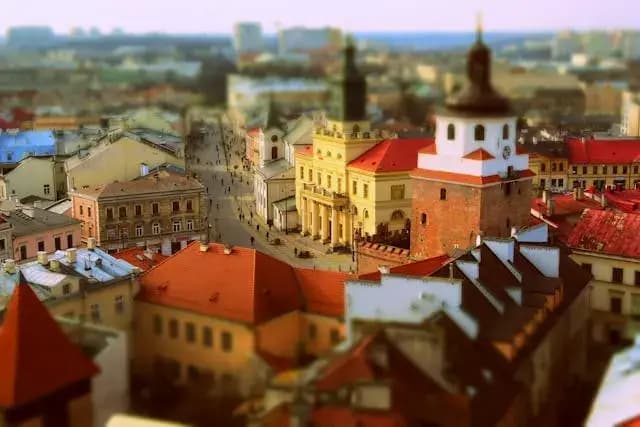
Old Town (Stare Miasto) · Lublin Castle (Zamek Lubelski) · Majdanek Memorial and Museum
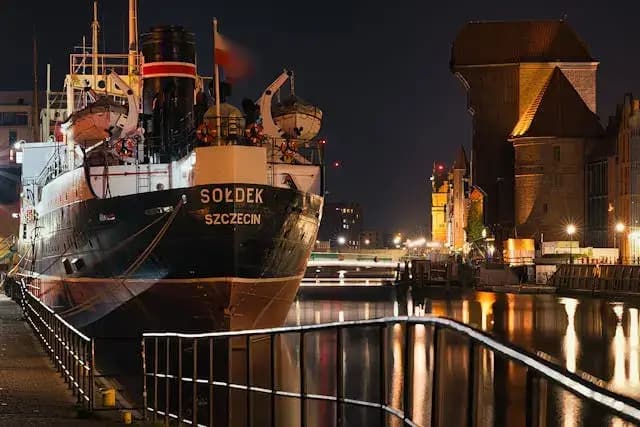
Castle of Pomeranian Dukes (Zamek Książąt Pomorskich) · Hakenterrasse (Wały Chrobrego) · Central Cemetery (Cmentarz Centralny)
Piotrkowska Street (Ulica Piotrkowska) · Manufaktura · Jewish Cemetery (Cmentarz Żydowski)