Loading...
Join our Facebook Group: Join: Expats in Poland
Loading...
Planning your move to Poland? This comprehensive guide covers everything you need to know - from visa requirements and documentation to finding housing, opening bank accounts, and integrating into Polish society. Get practical advice, cost breakdowns, and insider tips to make your relocation smooth and successful.
Yes - but it depends on your preparation. Poland has quietly become one of Europe's top destinations for expats, with over 2 million foreigners now calling it home. The appeal is real: a thriving economy, cost of living that's 40-60% cheaper than Western Europe, and cities like Warsaw that offer both career opportunities and a great quality of life. You can rent a nice apartment in Krakow for what you'd pay for a closet in London.
Moving here is worth it if you have marketable skills and are genuinely committed to integrating. The expats who struggle are the ones who showed up unprepared or expected everything to work like it does back home. The successful ones planned ahead, understood the bureaucracy, and started learning Polish early.
Be realistic about the language barrier: Polish is notoriously difficult, and while you can survive with English in major cities, career advancement and social integration depend heavily on Polish skills. Many expats underestimate this and find themselves stuck in lower-paying international bubble jobs.
Poland is one of Europe's safest countries with very low crime rates. English is widely spoken in business settings and among younger people. The public healthcare system (NFZ) covers residents for free, with affordable private options for faster service. A few things catch newcomers off guard: Poles take punctuality seriously (being late is genuinely disrespectful), and most stores are closed on Sundays except gas stations and small shops. For a deeper dive into Polish culture, check out our guide to Polish culture and traditions.
Get connected with relocation specialists who help foreigners settle in Poland - from visa paperwork to finding an apartment.
Visa and paperwork support
Help with visa applications, PESEL registration, meldunek, and other Polish bureaucracy
Housing assistance
Find a foreigner-friendly apartment with English-speaking landlords and fair contracts
Local expertise
Specialists who know the city, the process, and the common pitfalls foreigners face
End-to-end support
From pre-arrival planning to settling in - one point of contact for your entire move
Here's the reality: if you're from an EU country, you can pack up and move to Poland tomorrow. No visas, no paperwork, no job offers required. But if you're from outside the EU - whether that's the US, Canada, Australia, or anywhere else - you'll need months of planning, embassy visits, and patience with Polish bureaucracy. The difference is night and day.
Countries included: All 27 EU member states (Germany, France, Spain, Italy, Netherlands, Belgium, etc.), plus Iceland, Liechtenstein, Norway, and Switzerland
EU/EEA citizens enjoy the easiest path to moving to Poland thanks to freedom of movement laws. You can arrive today and start working tomorrow - no visa applications, no lengthy processing times, and no employer sponsorship required. This makes Poland particularly attractive for Germans seeking lower living costs, French citizens looking for business opportunities, or Scandinavians wanting warmer summers.
Upon arrival, you can enter with just a valid national ID card or passport - no visa, no stamps, no questions at the border beyond a quick document check. From day one, you have the legal right to work in any job, start a business without restrictions, and access public healthcare (NFZ) once registered. Polish law treats you essentially the same as a Polish citizen for employment, housing, and government services.
That said, there's still paperwork to handle within your first 30 days. During the first week, register your temporary address at the local district office (urząd gminy) - this is a legal requirement. Within the first two weeks, apply for your PESEL number, which is Poland's universal identification number used for banking, healthcare, taxes, and basically every official interaction. Once you have PESEL, register with NFZ for healthcare coverage. By the end of the month, open a bank account and register for taxes if you've started working. It sounds like a lot, but each step is straightforward and most can be done at the same district office.
Pro tip for EU citizens: Bring your European Health Insurance Card (EHIC) for immediate healthcare coverage while waiting for NFZ registration. Many employers can help with PESEL applications to speed up the process.
Brexit fundamentally changed the game for UK citizens moving to Poland. What was once a simple relocation now requires careful planning, visa applications, and significantly more paperwork. However, Poland remains very welcoming to British expats, especially skilled professionals.
Tourist and exploratory visits are still easy - you can stay up to 90 days in any 180-day period with a passport valid for at least 6 months. Many Brits use this time strategically: flying over to visit apartments, attend job interviews, and get a feel for different neighborhoods before committing. Just remember - during this tourist period you absolutely cannot work or conduct any business activities, and you won't have access to public healthcare beyond emergency treatment.
The work permit process follows a specific sequence. First, secure a job offer from a Polish employer willing to sponsor you. Your employer then applies for a work permit at the voivodeship office, which typically takes 6-8 weeks. Once that's approved, you apply for a Type D national visa at a Polish consulate in the UK. Budget 340-640 PLN for the visa fees themselves, plus several hundred more for document translations and apostille stamps. From job offer to actually arriving in Poland with the right to work, expect 3-4 months total.
Important for UK citizens: EU Blue Card is often easier than standard work permits for qualified professionals (university degree + 2 years experience). Processing time is similar but offers more flexibility and faster path to permanent residence.
Brexit tip: Many UK citizens use the 90-day tourist period to network, interview, and secure job offers before applying for work permits. This "scout and return" approach is very effective.
Citizens from these countries face similar requirements to the UK post-Brexit, but Poland's growing tech sector and competitive salaries make it increasingly attractive to North American and Oceanic professionals. More Americans are choosing Poland for its peaceful lifestyle at a high European standard for significantly less money than back home. The 90-day visa-free period is perfect for exploring opportunities, and many find the work-life balance and lower living costs compelling reasons to make the move permanent.
The standard process mirrors the UK: 90-day visa-free tourist visits for exploring, but a work visa is required for any employment. The EU Blue Card is worth pursuing if you meet the qualifications, as it offers faster processing and better long-term flexibility than the standard work permit.
What sets these nationalities apart are some unique pathways. Many Americans (and some Canadians) have Polish ancestry and can apply for Polish citizenship through descent - if your grandparents or great-grandparents were Polish citizens, this could be your simplest route. Student visas are another option: Polish universities offer English-taught programs, and a student visa can eventually lead to a work permit after graduation. For freelancers and entrepreneurs, Poland offers business visas that allow you to register a company and work independently, though the requirements are more demanding.
Moving to Poland from these countries requires significant planning and patience. Most citizens need visas even for tourist visits, and work permits involve lengthy bureaucratic processes with no guarantees. Ukraine citizens have special temporary protection due to the war, but for countries like India, Philippines, or most African and Asian nations, expect 4-6 months processing times, extensive documentation requirements, and potential rejections. Only consider this path if you have secured employment, substantial savings, or family connections.
For most citizens from these countries, even a short tourist visit requires a Schengen visa, which means embassy appointments, invitation letters, and proof of financial means before you even set foot in Poland. Work visas are mandatory for any employment, and the processing times are significantly longer than for Western applicants - expect 3-6 months of waiting, with frequent requests for additional documentation.
The most accessible pathways into Poland include seasonal work programs, particularly in agriculture and food processing, which offer simplified visa procedures and shorter processing times. Student visas are another strategic option - Poland has affordable universities with English-taught programs, and after graduation you can transition to a work permit. Family reunification visas are available if you have a spouse or close relative who's already a legal resident. Ukrainian citizens currently benefit from special temporary protection measures due to the ongoing war, which allows immediate access to the labor market and social services.
Important Note:
Visa requirements change frequently and vary by individual circumstances. Always check the official Polish government website (gov.pl) or consult your nearest Polish consulate for the most current requirements specific to your situation.
Poland's economy is one of Europe's most dynamic, with Warsaw, Krakow, and Wroclaw emerging as hubs for tech companies, financial services, and shared service centers. Understanding how employment works here - from finding jobs to contracts and workplace norms - will save you months of confusion.
Absolutely, but it depends on your field and career goals. Poland's tech sector is booming - cities like Krakow, Warsaw, and Wrocław are packed with international companies offering competitive salaries. Major global corporations like Google, Microsoft, IBM, and countless fintech companies have established significant operations here, creating thousands of high-paying jobs for international professionals.
Finance, shared services, and manufacturing also offer excellent opportunities. The cost of living is still significantly lower than Western Europe, so your money goes much further. A senior developer earning 20,000 PLN in Warsaw enjoys a lifestyle comparable to someone earning €4,000+ in Berlin or London.
That said, if you're in creative industries or highly specialized niche fields, opportunities might be limited outside of Warsaw. And while you can start with English, learning Polish will significantly expand your career options and salary potential. Most international companies operate in English, but advancement often requires some Polish language skills.
The job hunt in Poland works differently than you might expect. Unlike countries where most positions are advertised publicly, Poland's job market relies heavily on recruitment agencies and professional networks. Understanding this system is crucial for success.
Recruitment agencies dominate the market. Companies like Hays, Randstad, Michael Page, and numerous local agencies handle the majority of international hiring. They have established relationships with companies that regularly sponsor work permits and understand the visa process. Don't just submit your CV online - call them directly and build relationships with consultants in your field.
LinkedIn is surprisingly effective in Poland's professional scene. Polish recruiters and hiring managers are very active on the platform, and many job opportunities come through direct messages rather than job postings. Ensure your profile clearly states you're seeking opportunities in Poland and highlight any international experience.
Networking events and expat communities are invaluable resources. Every major Polish city has regular meetups for internationals, industry-specific events, and professional associations. Poles are generally helpful and often know about job openings before they're advertised. Attending these events can lead to referrals and insider information about upcoming opportunities.
Unless you're from the EU, you'll need proper work authorization before you can legally work in Poland. The process involves multiple steps and can take 2-4 months, so planning ahead is essential. Your employer typically handles most of the paperwork, but understanding the process helps you prepare properly.
The standard work permit is the most common route. Your employer kicks off the process by applying for the permit at the voivodeship (regional) office - this alone takes 4-8 weeks depending on the city. Once it's approved, you take it to a Polish consulate in your home country to apply for a Type D national visa. You'll need your employment contract, educational certificates (translated by a sworn translator and apostilled), a clean criminal record from your home country, and a medical certificate from an approved physician. All told, expect 2-4 months from start to finish. One important catch: the permit is tied to your specific employer and position, so if you change jobs, you'll need to start the process again.
If you have a university degree and your job offer pays at least 1.5x the average Polish salary (currently around 9,000 PLN gross), the EU Blue Card is worth considering instead. It's processed faster - typically 1-2 months - and comes with some real advantages. Unlike the standard permit, you can change employers more easily after 12 months, and it opens up mobility across the EU. It also provides a faster path to permanent residence in Poland. The downside is the salary threshold, which rules out many entry-level or mid-range positions.
Polish labor law is quite employee-friendly compared to many countries. The standard workweek is 40 hours, typically 9:00-17:00 or 8:00-16:00, and overtime is legally restricted and must be compensated. What surprises many newcomers is the generous vacation policy - you get 20 days if you have less than 10 years of professional experience, and 26 days once you pass that threshold, on top of 13 public holidays per year. Paid sick leave covers up to 33 days annually at 80% of salary. Maternity leave is 20 weeks at full pay, with an additional 32 weeks of parental leave available to either parent.
When it comes to workplace culture, the first thing to understand is that Poles take punctuality seriously. Showing up late to a meeting without calling ahead is considered genuinely disrespectful, and it can damage your professional reputation faster than almost anything else. The dress code in Polish offices leans more formal than what you might be used to in the US or UK - think business casual as the baseline, with suits still expected in banking and law.
Communication style is direct but polite. Poles generally appreciate honesty and don't go in for excessive small talk in professional settings - they get to the point, and they expect you to do the same. Workplace hierarchies exist and are more structured than what you'd find at a typical startup, but they're not rigid either. Managers are approachable, and good ideas are valued regardless of seniority. Work-life balance is genuinely respected at most companies, especially international ones. Don't expect emails at 10 PM or weekend work to be the norm.
Polish salaries remain lower than Western European levels on paper, but the cost of living difference means better purchasing power. A senior developer earning 20,000 PLN in Warsaw lives comparably to someone on €4,000+ in Berlin. Salaries vary by industry, city, and company size, with international corporations paying the most.
| Experience Level | Monthly Gross (PLN) | Monthly Net (PLN) | Industry Notes |
|---|---|---|---|
| Beginner Jobs | 4,500-7,000 (€1,050-1,630) | 3,500-5,200 (€815-1,210) | Shop assistant, office worker, call center, first job |
| Skilled Worker | 14,000-20,000 (€3,260-4,650) | 9,800-13,800 (€2,280-3,210) | Electrician, programmer, nurse, teacher, accountant |
| Experienced Worker | 20,000-28,000 (€4,650-6,510) | 13,800-18,500 (€3,210-4,300) | Senior programmer, doctor, engineer, sales manager |
| Boss/Manager | 28,000-45,000+ (€6,510-10,470+) | 18,500-28,000+ (€4,300-6,510+) | Team leader, department head, company owner |
* Euro amounts are approximate conversions based on 1 EUR = 4.3 PLN exchange rate
Important considerations: These figures represent typical ranges for international companies in major cities like Warsaw, Krakow, and Wrocław. Salaries in smaller cities are typically 20-30% lower, while top-tier tech companies and financial institutions can pay significantly more. Always negotiate your salary - Polish companies expect it and often have room for flexibility, especially for international candidates with in-demand skills.
The rental market is competitive in Warsaw and Krakow, but knowing where to look and what documents you need gives you a real advantage. Most landlords prefer long-term tenants who speak some Polish, though expat-friendly options are becoming more common.
OLX.pl is the biggest platform and where you'll find the best deals, but it requires some street smarts. Always filter by "private owner" (osoba prywatna) to avoid agency fees, and be wary of listings that seem too good to be true - scams exist, especially for popular neighborhoods. Never send money before seeing an apartment in person. Otodom.pl is the more professional alternative, with better-quality listings and detailed filters, though prices tend to be higher because most listings come through agencies.
Don't underestimate Facebook Groups - in cities like Warsaw, Krakow, and Wrocław, expat housing groups are incredibly active. When other expats leave Poland or change apartments, they often post in these groups first, and these handovers can be the best deals available because the landlord avoids the hassle of finding a new tenant. Search for groups like "Flats for Rent Warsaw - Expats" or "Krakow Housing for Foreigners" and join them well before your move.
If dealing with Polish-language listings and landlords feels overwhelming, real estate agencies can handle everything for you. The standard commission is one month's rent (paid by the tenant), which stings, but they take care of all paperwork, translate contracts, and handle communication with the landlord. For your first few weeks in Poland, corporate housing or serviced apartments are expensive but come fully furnished with utilities included, giving you a comfortable base while you look for something permanent. And if your employer offers relocation services, take full advantage - they have pre-vetted apartments, established relationships with landlords, and can cut weeks off the search process.
Most Polish rentals are unfurnished, deposits are 1-2 months' rent, and contracts run for 12 months minimum. Rent varies dramatically by city - Warsaw is the most expensive, while cities like Wroclaw and Gdansk offer much better value for similar quality of life.
| City | 1-Bedroom Rent | 2-Bedroom Rent | Deposit Required | Best Neighborhoods for Expats |
|---|---|---|---|---|
| Warsaw | 2,500-4,500 PLN (€580-1,050) | 3,500-6,500 PLN (€815-1,510) | 1-2 months | Mokotów, Żoliborz, Wola |
| Krakow | 2,000-3,500 PLN (€465-815) | 2,800-4,800 PLN (€650-1,115) | 1-2 months | Podgórze, Kazimierz, Krowodrza |
| Wrocław | 1,800-3,000 PLN (€420-700) | 2,500-4,200 PLN (€580-975) | 1 month | Krzyki, Fabryczna, Śródmieście |
| Gdansk | 1,600-2,800 PLN (€370-650) | 2,200-3,800 PLN (€510-885) | 1 month | Wrzeszcz, Oliwa, Śródmieście |
| Poznań | 1,700-2,900 PLN (€395-675) | 2,400-4,000 PLN (€560-930) | 1 month | Stare Miasto, Jeżyce, Grunwald |
| Szczecin | 1,400-2,400 PLN (€325-560) | 1,900-3,200 PLN (€440-745) | 1 month | Centrum, Pogodno, Niebuszewo |
* Euro amounts are approximate conversions based on 1 EUR = 4.3 PLN exchange rate
The most important document is your employment contract - Polish landlords want to see that you earn at least 3x the monthly rent, and they'll often ask for bank statements from the last 3 months to verify it. If you're self-employed or freelancing, prepare tax declarations or invoices showing consistent income. You'll also need your passport or ID (obviously), and your PESEL number - without it, signing a formal rental contract becomes much harder since it's used for tax reporting and utility registration.
A reference letter from your previous landlord can make a real difference, especially in competitive markets like Warsaw where landlords receive multiple applications for the same apartment. If you're moving from abroad, even an email from your former landlord in English confirming you paid rent on time and left the apartment in good condition can help. And have your deposit money ready to transfer immediately - good apartments go fast, and being able to pay the deposit on the spot shows you're serious.
The typical rental timeline looks like this: spend the first week searching online, contacting landlords, and scheduling viewings. Try to schedule multiple viewings on the same day to compare options. During week two, visit the apartments and submit your applications with all documents ready. Week three is usually spent negotiating terms - this is normal in Poland, and landlords expect some back-and-forth on price or conditions. By the end of the month, you'll sign the final contract, pay the deposit (typically 1-2 months' rent), and get your keys. Budget an additional month for address registration and getting utilities set up in your name.
Utility setup in Poland can take 2-4 weeks, so start the process immediately after signing your lease. Some apartments include utilities in rent (especially newer buildings), while others require separate contracts. Winter heating costs can double your utility bills, so budget accordingly.
| Utility | Average Monthly Cost | Setup Time | Notes |
|---|---|---|---|
| Electricity | 150-300 PLN | 1-2 weeks | Choose supplier (Tauron, PGE, Enea) |
| Gas (Heating) | 200-500 PLN | 1-2 weeks | Much higher in winter months |
| Internet | 50-100 PLN | 1 week | Orange, Play, UPC are popular |
| Water & Sewage | 80-150 PLN | Immediate | Usually included in rent |
| Building Maintenance | 100-200 PLN | Immediate | Covers cleaning, repairs, security |
Pro Tip:
Ask your landlord which utilities are included in rent and which you need to set up yourself. Many newer apartment buildings include heating and water in the monthly rent, which simplifies your life significantly.
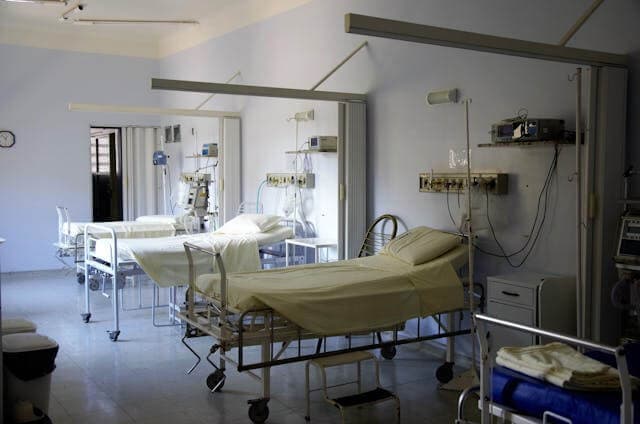
The public healthcare system (NFZ) covers a wide range of medical services at no cost once you're registered - GP visits, hospital stays, surgeries, prescriptions (with co-pays), and emergency care. If you break your arm at 2 AM, any hospital emergency room will treat you regardless of your insurance status. The quality of care itself is generally good, especially for standard procedures and emergencies. Where the system falls short is wait times: getting an appointment with a specialist through NFZ can take 3-6 months, sometimes longer for less urgent cases. The other challenge for expats is the language barrier - most doctors in the public system speak only Polish, so navigating consultations without the language can be stressful.
Private healthcare is where most expats end up for day-to-day medical needs, and it's remarkably affordable compared to the US or UK. A standard doctor's visit costs 200-350 PLN, and specialist consultations run 300-500 PLN. The big advantages are obvious: you can usually get an appointment the same day or next day, doctors in private clinics frequently speak English (especially in Warsaw, Krakow, and Wrocław), and the facilities are modern with up-to-date equipment. Monthly private health insurance packages from providers like Medicover, Luxmed, or Enel-Med start at around 150-300 PLN and give you access to a wide network of clinics.
The smart approach - and what most long-term expats do - is to use both systems. Register for NFZ regardless (your employer handles this if you're employed), because it gives you full coverage for emergencies and major procedures. Then use private healthcare for routine checkups, specialist visits, and anything where you want English-speaking doctors or don't want to wait.
Before heading to the NFZ office, gather your documents: you'll need your PESEL number (this is the absolute prerequisite - don't even attempt registration without it), proof of address from your residence registration, your employment contract or proof of self-employment, and a valid passport or ID. The application form itself is available at the NFZ office or downloadable from their website.
Here's where it gets a bit confusing for newcomers: if you're employed, your employer actually handles the core registration through ZUS (Social Insurance Institution). When your employer registers you in the ZUS system, you automatically become eligible for NFZ healthcare. What you need to do separately is choose your primary care doctor (called a "lekarz pierwszego kontaktu") by visiting a clinic that has an NFZ contract and filling out a declaration form. This is important because without a registered GP, you can't get referrals to specialists through the public system.
If you're self-employed or a freelancer, you'll need to register with ZUS yourself and pay monthly health insurance contributions (currently around 9% of your declared income). The NFZ card arrives within 2-3 weeks of registration, but you're covered from the moment your employer (or you) makes the first contribution - you don't need to wait for the physical card.
| School Type | Annual Cost | Language | Best For |
|---|---|---|---|
| Public Schools | Free | Polish | Long-term residents, Polish speakers |
| International Schools | 40,000-80,000 PLN | English | Expat families, temporary residents |
| Private Polish Schools | 15,000-35,000 PLN | Polish/Bilingual | Mixed families, smaller classes |
| Homeschooling | 5,000-15,000 PLN | Any | Flexible families, special needs |
Warsaw has the widest selection, which makes sense given the concentration of international companies and embassies. The American School of Warsaw is the gold standard for US-curriculum education (K-12), while British School Warsaw offers IGCSE and A-level programs. For the International Baccalaureate, the International School of Warsaw is the go-to choice. There's also the Lycée Français de Varsovie for French-speaking families. Expect annual fees in the 50,000-80,000 PLN range for the top schools, and be aware that waiting lists for popular grades can stretch to a year or more.
Krakow's international school scene has grown significantly in recent years. The International School of Krakow runs a well-regarded IB program, Cracow International School follows the British curriculum, ISSP Krakow offers bilingual Polish-English education (a good compromise for families planning to stay long-term), and Deutsche Schule Krakau serves the German-speaking community. Other major cities like Wrocław, Gdansk, and Poznan have international school options as well, though the selection is more limited - typically one or two IB-accredited schools per city. If schooling is a priority for your family, this may influence which city you choose to settle in.
Application Tip:
Start the school application process 6-12 months before your move. Popular international schools have waiting lists, and some require entrance exams or interviews. Many schools offer virtual tours and online applications for families moving from abroad.
Polish banking is surprisingly modern - mobile apps are excellent and many banks offer full English support. Not all are expat-friendly though. Here are the best options based on real experiences:
| Bank | Account Fee | English Support | Best Features | Ideal For | Open Account |
|---|---|---|---|---|---|
| PKO BP | 0-15 PLN/month | Limited | Largest ATM network, low fees | Budget-conscious, Polish speakers | Open Account |
| mBank | 0-20 PLN/month | Excellent | Digital-first, great app | Tech-savvy expats | Open Account |
| ING Bank | 0-12 PLN/month | Good | International experience | International professionals | Open Account |
| Millennium | 0-25 PLN/month | Good | Expat-friendly services | First-time expats | Open Account |
| Revolut | 0-45 PLN/month | Excellent | Multi-currency, travel-friendly | Digital nomads, travelers | Open Account |
The biggest hurdle for most expats is the PESEL number - you really can't open a bank account without it (with very few exceptions). Beyond that, bring your valid passport or ID, proof of address (your rental contract works fine, or your residence registration confirmation), and an employment contract or some proof of income. Most banks also ask for a small initial deposit of 50-200 PLN to activate the account.
Once you've picked your bank, book an appointment online or by phone - walking in without one often means waiting for hours or being turned away. At the branch, the banker will walk you through the account opening forms. If you chose a bank with English support (like mBank or ING), the process is smooth. At Polish-only banks, consider bringing a Polish-speaking friend for the first visit, as some forms and terms can be confusing. Most banks issue a debit card immediately at the branch - you'll walk out with a working card and access to mobile banking the same day. The whole process takes about 30-60 minutes.
One tip that saves a lot of hassle: open your bank account before you start apartment hunting. Landlords strongly prefer bank transfers over cash, and having a Polish bank account makes paying deposits, rent, and utilities much easier. Some landlords won't even consider tenants without a local bank account.
Pro Tip:
Some banks offer special "expat packages" with reduced fees and English support. Ask specifically about international services when opening your account. For detailed guidance, check our comprehensive bank account opening guide.
Poland uses a progressive tax system with two brackets. The first 30,000 PLN you earn each year is completely tax-free. After that, income up to 120,000 PLN is taxed at 12%, and everything above 120,000 PLN jumps to 32%. These rates are lower than most of Western Europe, which is part of Poland's appeal for high earners. On top of income tax, you'll pay 9% for health insurance (this is not deductible from your tax) and roughly 20% in social security contributions (ZUS), though there are caps and variations depending on your contract type. All of this is automatically deducted from your gross salary if you're employed.
Where it gets interesting for expats is the special tax relief programs. The "ulga na powrót" (return relief) allows people who haven't been Polish tax residents in the past 3 years to claim significant tax reductions during their first 4 years in Poland - essentially, you can earn up to 85,528 PLN tax-free on top of your regular allowance. Poland also has double tax treaties with over 80 countries, so you won't be taxed twice on the same income.
For tech workers and creatives, the IP Box regime is a major draw - income from intellectual property (software development, patents, designs) can be taxed at just 5% instead of the standard rates. There are also R&D deductions that let companies and self-employed individuals write off 200% of qualifying research expenses. And if your employer covers relocation costs, some of those expenses may be tax-deductible as well. All of this makes working with a Polish tax advisor worthwhile in your first year - they can identify savings you'd never find on your own.
All Polish residents must file an annual tax return (PIT) by April 30th for the previous year. The process is mostly digital through the gov.pl portal, and many employers pre-fill your information. Understanding the process helps you maximize deductions and ensure compliance.
| Tax Form | Who Uses It | Deadline | Key Features |
|---|---|---|---|
| PIT-37 | Employees with one employer | April 30 | Simplest form, often pre-filled |
| PIT-36 | Self-employed, multiple income sources | April 30 | More complex, allows more deductions |
| PIT-38 | Capital gains, investments | April 30 | For investment income |
| PIT-28 | Flat tax option (19%) | April 30 | Simplified 19% flat rate |
Tax Calculator Available:
Use our Polish tax calculator to estimate your net salary and tax obligations. It includes all current rates and deductions for 2026.
Document preparation is where most people mess up their Poland move. You'll need different paperwork depending on your visa type and nationality, but some documents are universal. The biggest mistake? Waiting until the last minute - sworn translations alone take 1-2 weeks, and getting apostilled documents from your home country can take a month. Start this process at least 3 months before you plan to move, because Polish bureaucracy doesn't care about your timeline.
| Document | Description | Required | Notes |
|---|---|---|---|
| Passport | Valid for at least 6 months beyond planned stay | Essential | Keep multiple copies |
| Visa/Work Permit | Required for non-EU citizens planning to work | If applicable | Apply 2-3 months in advance |
| Birth Certificate | Apostilled copy for official procedures | Recommended | Needed for marriage, residence permits |
| Educational Certificates | Diplomas and transcripts, translated and apostilled | If working | Required for professional recognition |
| Medical Records | Recent medical history and vaccination records | Recommended | Include prescription medications list |
| Driving License | International driving permit or EU license | If driving | Valid for 6-12 months, then exchange required |
Important Note:
All foreign documents must be apostilled or legalized and officially translated into Polish by a sworn translator (tłumacz przysięgły). This process can take 2-4 weeks, so start early!
The cost of moving to Poland varies dramatically depending on your lifestyle, chosen city, and whether you're moving alone or with family. Based on real expat experiences, you'll need between 25,000-50,000 PLN (€5,500-€11,000) for initial setup costs, plus 3-6 months of living expenses as an emergency fund.
Warsaw and Krakow are the most expensive cities, while smaller cities like Wrocław, Gdansk, or Poznan offer better value. Many expats underestimate initial costs and find themselves financially stressed in their first few months. Our detailed breakdown below helps you plan realistically for every expense category.
| Expense Category | Warsaw/Krakow | Other Major Cities | Smaller Cities | Notes |
|---|---|---|---|---|
| Apartment Deposit + First Rent | 6,000-12,000 PLN (€1,395-2,790) | 4,000-8,000 PLN (€930-1,860) | 2,500-5,000 PLN (€580-1,165) | Usually 2-3 months rent upfront |
| Basic Furniture & Appliances | 3,000-8,000 PLN (€700-1,860) | 2,500-6,000 PLN (€580-1,395) | 2,000-4,000 PLN (€465-930) | IKEA, OLX for used items |
| Visa & Document Fees | 1,500-3,000 PLN (€350-700) | 1,500-3,000 PLN (€350-700) | 1,500-3,000 PLN (€350-700) | Translation, apostille, applications |
| Flight & Moving Costs | 2,000-5,000 PLN (€465-1,165) | 2,000-5,000 PLN (€465-1,165) | 2,000-5,000 PLN (€465-1,165) | Flights, shipping, excess baggage |
| Initial Living Expenses | 4,000-6,000 PLN (€930-1,395) | 3,000-4,500 PLN (€700-1,045) | 2,500-3,500 PLN (€580-815) | Food, transport, utilities setup |
| TOTAL INITIAL COSTS | 16,500-34,000 PLN (€3,840-7,905) | 13,000-26,500 PLN (€3,025-6,165) | 10,500-20,500 PLN (€2,440-4,770) | First month total |
* Euro amounts are approximate conversions based on 1 EUR = 4.3 PLN exchange rate
After your initial setup, these are the ongoing monthly expenses you can expect. Costs vary significantly based on lifestyle choices, with budget-conscious expats spending 40-50% less than those who prefer premium options.
| Monthly Expense | Budget | Comfortable | Premium | Details |
|---|---|---|---|---|
| Rent (1-bedroom) | 1,500-2,500 PLN (€350-580) | 2,500-4,000 PLN (€580-930) | 4,000-8,000 PLN (€930-1,860) | Suburbs vs city center |
| Utilities + Internet | 300-500 PLN (€70-115) | 500-700 PLN (€115-165) | 700-1,000 PLN (€165-235) | Heating varies by season |
| Groceries | 800-1,200 PLN (€185-280) | 1,200-1,800 PLN (€280-420) | 1,800-2,500 PLN (€420-580) | Biedronka vs organic stores |
| Transportation | 100-200 PLN (€25-45) | 200-400 PLN (€45-95) | 800-1,500 PLN (€185-350) | Public transport vs car |
| Entertainment & Dining | 400-800 PLN (€95-185) | 800-1,500 PLN (€185-350) | 1,500-3,000 PLN (€350-700) | Home cooking vs restaurants |
| Healthcare & Insurance | 200-400 PLN (€45-95) | 400-600 PLN (€95-140) | 600-1,000 PLN (€140-235) | Public NFZ vs private |
| TOTAL MONTHLY | 3,300-5,600 PLN (€770-1,300) | 5,600-9,000 PLN (€1,300-2,095) | 9,400-17,000 PLN (€2,185-3,955) | Excluding savings |
* Euro amounts are approximate conversions based on 1 EUR = 4.3 PLN exchange rate
Look, moving to Poland without enough cash is asking for trouble. Even if you have a job lined up, bureaucracy here moves slowly and things cost more than you expect. Most people need 2-4 months to get fully settled, and that's if everything goes smoothly. If you're still looking for work in Poland, plan for even longer. Bring at least 20,000 PLN if you're planning to live cheaply, around 35,000 PLN for a decent lifestyle, or 50,000+ PLN if you want to sleep well at night. Trust me, running out of money while dealing with Polish paperwork is not a situation you want to be in.
Here's what actually works when you're trying to stretch your budget in Poland. Go for furnished apartments at first - yes, you'll pay more in rent, but buying a bed, desk, and kitchen stuff will cost you way more upfront. OLX is where everyone buys second-hand stuff, and you can find decent furniture for half the price. Don't feel like you need to live in the city center either. Places like Mokotów in Warsaw or Podgórze in Krakow are 30 minutes by tram but cost way less. When you first arrive, just book an Airbnb for a few weeks while you look around - rushing into the first apartment you see usually means overpaying. For groceries, Biedronka and Lidl are your friends. And seriously, get a monthly transport pass instead of thinking about a car - between fuel, insurance, and parking, you're looking at over 1,000 PLN monthly.
Nobody warns you about these costs until you're already here dealing with them. Getting your documents translated by a sworn translator costs around 150 PLN each, and you'll need more than you think - birth certificate, diploma, marriage certificate if applicable. Your bank back home will hit you with transfer fees every time you move money, plus the exchange rate is never in your favor. Winter heating bills are brutal - I'm talking double your summer costs because Polish winters are no joke. You'll need a medical checkup for your residence permit (around 300 PLN), and it has to be done at specific places, not just any doctor. Polish offices are formal, so if you're coming from a casual work culture, you'll need to buy proper business clothes. And unless you plan to point and gesture forever, Polish lessons are pretty much mandatory - private tutors charge about 120 PLN per hour, though you can find cheaper group classes.
Two bureaucratic steps gate everything else in Poland: getting your PESEL number and registering your address (zameldowanie). Until you have both, you can't open a bank account, register for healthcare, sign most contracts, or even get a Polish SIM card with some carriers. Treat these as day-one priorities.
PESEL (Powszechny Elektroniczny System Ewidencji Ludności) is Poland's universal identification number, similar to a Social Security Number in the US or National Insurance Number in the UK. It's an 11-digit code that encodes your date of birth and gender, and it's used for literally every official interaction - banking, healthcare, taxes, employment contracts, phone plans, gym memberships, and more. You cannot function in Poland without it.
Visit your local district office (urząd gminy or urząd dzielnicy in larger cities) with your passport and a completed application form. EU citizens get PESEL automatically when they register their address. Non-EU citizens need to provide their visa or residence permit. The number is usually issued on the spot or within a few days. Some cities let you apply online through the gov.pl portal, but most expats find it faster to go in person.
Polish law requires everyone to register their address within 30 days of arrival. You'll need your passport, a completed registration form, and a signed statement from your landlord confirming you live at the address. Your landlord must either come to the office with you or provide a notarized statement - this is the step that causes the most friction, as some landlords are reluctant to register tenants (it can complicate eviction). If your landlord refuses, this is a red flag about the tenancy.
Temporary registration (zameldowanie na pobyt czasowy) is for stays up to 3 months and requires less paperwork. Permanent registration (zameldowanie na pobyt stały) is for longer stays and is what you need for most official purposes. Both can be done at the same district office where you apply for PESEL.
You can survive in Polish cities with English only, but you'll hit a wall eventually. Government offices, landlords, doctors in the public healthcare system, and most service workers outside major city centers speak little to no English. More importantly, Polish language skills directly affect your earning potential - expats who speak even conversational Polish earn 20-30% more and have access to far more job opportunities.
Polish is genuinely one of the harder European languages for English speakers. Seven grammatical cases, complex verb conjugations, and consonant clusters like "szcz" and "prz" make the first months frustrating. The good news: pronunciation is completely regular (unlike English), so once you learn the rules, you can read anything aloud correctly.
Most expats use a combination of approaches. Apps like Duolingo or Babbel are good for building basic vocabulary and daily practice, but they won't teach you real conversation. Group classes at language schools (100-200 PLN per month for 2 sessions per week) give you structure and a social group of fellow learners. Private tutors (80-150 PLN per hour) are the fastest path if you can afford it.
The most effective strategy is immersion: switch your phone to Polish, watch Polish Netflix shows with subtitles, shop at Polish stores instead of expat markets, and force yourself to order food in Polish even when the waiter switches to English. Join a Polish-language hobby group or sports team where you're the only foreigner. It's uncomfortable but it works.
Key phrases to learn first: Dzień dobry (hello, formal), Dziękuję (thank you), Przepraszam (excuse me/sorry), Nie rozumiem (I don't understand), Czy mówi Pan/Pani po angielsku? (Do you speak English?). Even these basics change how Poles interact with you - they appreciate the effort enormously.
The difficulty depends entirely on your nationality and preparation. EU citizens can move immediately with just an ID card - it's literally as easy as moving to another city. Non-EU citizens need 3-6 months for visa processing, extensive documentation, and often job offers before moving. The bureaucracy is real, but manageable if you start early and get professional help when needed.
Budget 15,000-25,000 PLN for initial setup costs in major cities (apartment deposit, furniture, documents, first month expenses). Monthly living costs range from 4,000 PLN (basic) to 8,000+ PLN (comfortable) depending on your lifestyle and city. Warsaw and Krakow are most expensive, while cities like Gdansk, Wrocław, or Poznań offer better value.
You can survive in major cities with English only, especially in international companies and expat-heavy neighborhoods. However, Polish is essential for career advancement, dealing with bureaucracy, healthcare, and building genuine relationships. Most successful expats start learning Polish immediately - even basic conversational skills open many more doors.
Warsaw offers the most international job opportunities and highest salaries, but also highest living costs. Krakow has the largest expat community and best nightlife, but fewer high-paying jobs. Wrocław provides excellent work-life balance with growing tech sector. Gdansk offers seaside living with good job market. Choose based on your career field and lifestyle preferences.
Standard work visa processing takes 1-3 months at Polish consulates, but getting the required documents (work permit, job offer, etc.) can take additional 2-4 months. EU Blue Card applications are faster (1-2 months) but require higher qualifications. Start the process 6 months before your planned move date to avoid delays.
Public healthcare (NFZ) is comprehensive and free once you're registered, but wait times for specialists can be long (3-6 months). Private healthcare is excellent and affordable (200-500 PLN per visit), with English-speaking doctors in major cities. Most expats use a combination - NFZ for emergencies and routine care, private for specialists and faster service.
Common mistakes include: not getting PESEL number immediately (blocks everything else), underestimating language barriers, not researching neighborhoods before choosing apartments, not understanding Polish work culture, and not building local relationships. The most successful expats integrate with Polish society rather than staying in expat bubbles.
EU citizens can buy property freely. Non-EU citizens need special permits for land purchases but can buy apartments in most cases without restrictions. The property market is stable with steady growth, especially in major cities. Many expats rent first to understand neighborhoods before buying. Consider tax implications in both Poland and your home country.
Strong demand exists in IT, finance, business services, and customer support roles. Major international companies (Google, Microsoft, JPMorgan) have significant operations in Poland. However, Polish language skills dramatically expand your options and earning potential. Remote work is increasingly common, especially in tech. Salaries are lower than Western Europe but so is cost of living.